Treaty 7: A Relationship, Not a Receipt
Oral history, original intent, and the treaty that is still being argued
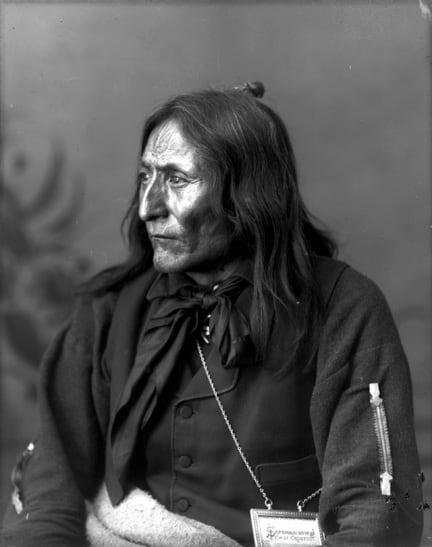
- Key Concepts
- Treaty 7 Elders; Siksika, Kainai, Piikani, Stoney Nakoda, and Tsuut’ina Nations; the Crown
- Context
- Treaty 7, signed 1877 at Blackfoot Crossing; ongoing interpretation to the present
- Method / Framework
- Treaty history, oral history, and legal-political analysis
- Core Problem
- What did Treaty 7 mean to the nations who signed it, and who has the authority to interpret that meaning?
I. The Executive Dispatch (TL;DR)
- Treaty 7 was signed in 1877 at Blackfoot Crossing. The signatory Nations include the Siksika, Kainai, Piikani, Stoney Nakoda, and Tsuut’ina.
- The written treaty and the oral histories do not say the same thing. The Crown’s text emphasises cession and administration; the Elders’ narrative emphasises kinship, survival, and ongoing obligation.
- “Original intent” is a method, not a slogan. It means taking seriously what the nations understood themselves to be agreeing to.
- Treaty rights are contemporary. Hunting, land, resources, and jurisdiction are still shaped by treaty interpretation.
- The one-line exam takeaway: Treaty 7 is a relationship that must be renewed and argued, not a receipt filed away in 1877.
II. Historical & Intellectual Context (“The Backstory”)
The treaty at Blackfoot Crossing
In the 1870s, the Canadian state was extending its authority across the prairies. The bison herds were collapsing, settlers were arriving, and the government wanted to secure land and peace through treaties. Treaty 7 was negotiated at Blackfoot Crossing in September 1877.
The signatory Nations were the Siksika, Kainai, and Piikani (the Blackfoot Confederacy), the Stoney Nakoda, and the Tsuut’ina. The Crown’s representatives included David Laird and James Macleod. The written treaty included provisions for reserves, annuities, education, farming assistance, and hunting rights. It also contained a cession clause.
But the treaty was not only a document. It was a set of speeches, ceremonies, promises, and relationships. The Elders’ narrative in True Spirit and Original Intent of Treaty 7 records those dimensions. It describes the negotiations, the promises made, and the meanings that the written text does not capture.
Why the sources differ
The written treaty was produced by Crown officials, in English, using legal categories that did not necessarily match Indigenous understandings. The oral histories were transmitted in Indigenous languages and shaped by kinship, ceremony, and memory.
The differences are not simply misunderstandings. They reflect different political orders. The Crown wanted land, jurisdiction, and settlement. The Nations wanted security, relationship, and the protection of their ways of life. The treaty text and the oral record preserve different parts of that encounter.
Treaties as relationships
Many Indigenous legal and political traditions treat treaties as relationships rather than one-time transactions. A treaty creates obligations that continue across generations. It is renewed through ceremony, education, and political action. It is not exhausted by the signature on a page.
This is why the phrase “original intent” matters. It asks what the treaty meant to the people who negotiated it, not only what the Crown’s lawyers later said it meant.
III. Structural & Formal Architecture
What the written treaty says
The written Treaty 7 text includes:
- a cession of land to the Crown;
- reserves for the signatory Nations;
- annuities and other payments;
- education and farming assistance;
- hunting and fishing rights;
- provisions for future negotiation and administration.
The text is legal and administrative. It is also incomplete as a record of the encounter. It does not capture the speeches, the ceremonies, the promises made orally, or the understandings that the Elders preserve.
What the Elders’ narrative says
The Elders’ narrative emphasises:
- the importance of relationship and kinship;
- the promise of sharing the land rather than losing it absolutely;
- the need for survival in a time of starvation and settlement;
- the role of leaders such as Crowfoot;
- the ongoing obligation of the Crown to honour the treaty.
These are not merely personal memories. They are legal and political knowledge, transmitted through generations.
The treaty in law and politics
Treaty rights are recognised and affirmed in section 35 of the Constitution Act, 1982. Courts have interpreted treaties in light of their text, context, and oral history. But litigation is not the only site of treaty meaning. Indigenous nations continue to assert treaty rights through governance, land use, education, and political action.
IV. The Chronicle: The Treaty and Its Aftermath
1877 — Negotiation and signature
The treaty was negotiated under pressure. The bison economy was collapsing, settlers were arriving, and the Nations faced starvation. The Crown promised reserves, assistance, and protection. The Elders’ narrative records the promises and the hopes attached to them.
1877–1900 — Implementation and disappointment
The treaty’s promises were not fully honoured. Reserve lands were often smaller or less viable than expected. Farming assistance was inadequate. The pass system and the Indian Act restricted mobility and governance. The treaty relationship became a site of grievance and resistance.
Twentieth century — Treaty rights and land claims
Treaty rights were increasingly asserted in courts and politics. The Canadian state often treated treaties as historical documents; Indigenous nations insisted they were living agreements. Land claims, hunting rights, and resource disputes have repeatedly returned to treaty interpretation.
Today — Original intent and renewal
The Elders’ narrative remains a challenge to narrow legal readings. It asks courts and governments to consider the promises, relationships, and understandings that the written text does not capture. It also asks Indigenous nations to renew the treaty on their own terms.
V. The Editorial Board: Deep Thematic & Critical Analysis
Treaty as relationship versus treaty as transaction. The written treaty often reads like a legal transfer; the Elders’ narrative reads like a relationship. The tension is not a misunderstanding to be cleared up; it is a political and legal struggle over what a treaty is.
Oral history as law. Oral histories are not supplementary anecdotes. They preserve legal understandings, promises, and obligations. Treating them as evidence changes what counts as treaty law.
The Crown’s fiduciary obligation. The treaty relationship creates obligations of good faith and fair dealing. The Crown’s failure to honour those obligations is central to treaty grievances.
Land and survival. Treaty 7 was negotiated in a context of starvation and dispossession. The Nations were not bargaining from a position of equality. Understanding that context is essential to understanding the treaty’s meaning.
The treaty today. Treaty rights are not only about the past. They shape contemporary disputes over land, resources, hunting, and jurisdiction. The treaty is still being argued.
VI. Exam & Essay Sparkplugs
1. “Treaty 7 is a relationship, not a transaction.” Discuss with reference to the Elders’ narrative.
Winning Thesis Blueprint. The written treaty contains a cession of land, but the Elders’ narrative emphasises kinship, survival, and ongoing obligation. A strong essay will hold both sources together and argue that the treaty’s meaning is contested rather than settled.
Supporting points.
- The promises and negotiations described by the Elders.
- The written treaty’s legal language.
- The contemporary implications of treaty rights and obligations.
2. “Oral history is unreliable, so it cannot be used to interpret treaties.” How far do you agree?
Winning Thesis Blueprint. Oral history is a distinct form of evidence with its own protocols and authority. It is not “unreliable” simply because it is not written; it preserves meanings that the written record omits or distorts.
Supporting points.
- The role of oral history in treaty interpretation.
- The limits of the written text.
- The legal recognition of oral history in Canadian courts.
3. “Treaty rights are historical rights, not contemporary rights.” Discuss.
Winning Thesis Blueprint. Treaty rights are rooted in historical agreements, but they are living rights that continue to shape land, resources, and governance. The essay should explain how treaty interpretation connects past promises to present obligations.
Supporting points.
- Section 35 of the Constitution Act, 1982.
- Land and resource disputes.
- The principle of original intent.
Further Reading
Treaty 7 Elders, “Elders’ Narrative of the Making of Treaty 7,” in True Spirit and Original Intent of Treaty 7; the written text of Treaty 7; course materials on treaty rights and oral history.